All Guides
Najeon: Korea's Mother-of-Pearl Art
Najeon (나전) is the Korean craft of inlaying iridescent mother-of-pearl into black lacquer. Here is what it is, the thousand-year story behind it, how it is made, and where to see and buy it in Korea.
korean najeonnajeonchilgikorean mother of pearl lacquerwaremother of pearl lacquer koreakorean lacquer art
What Is Najeon?
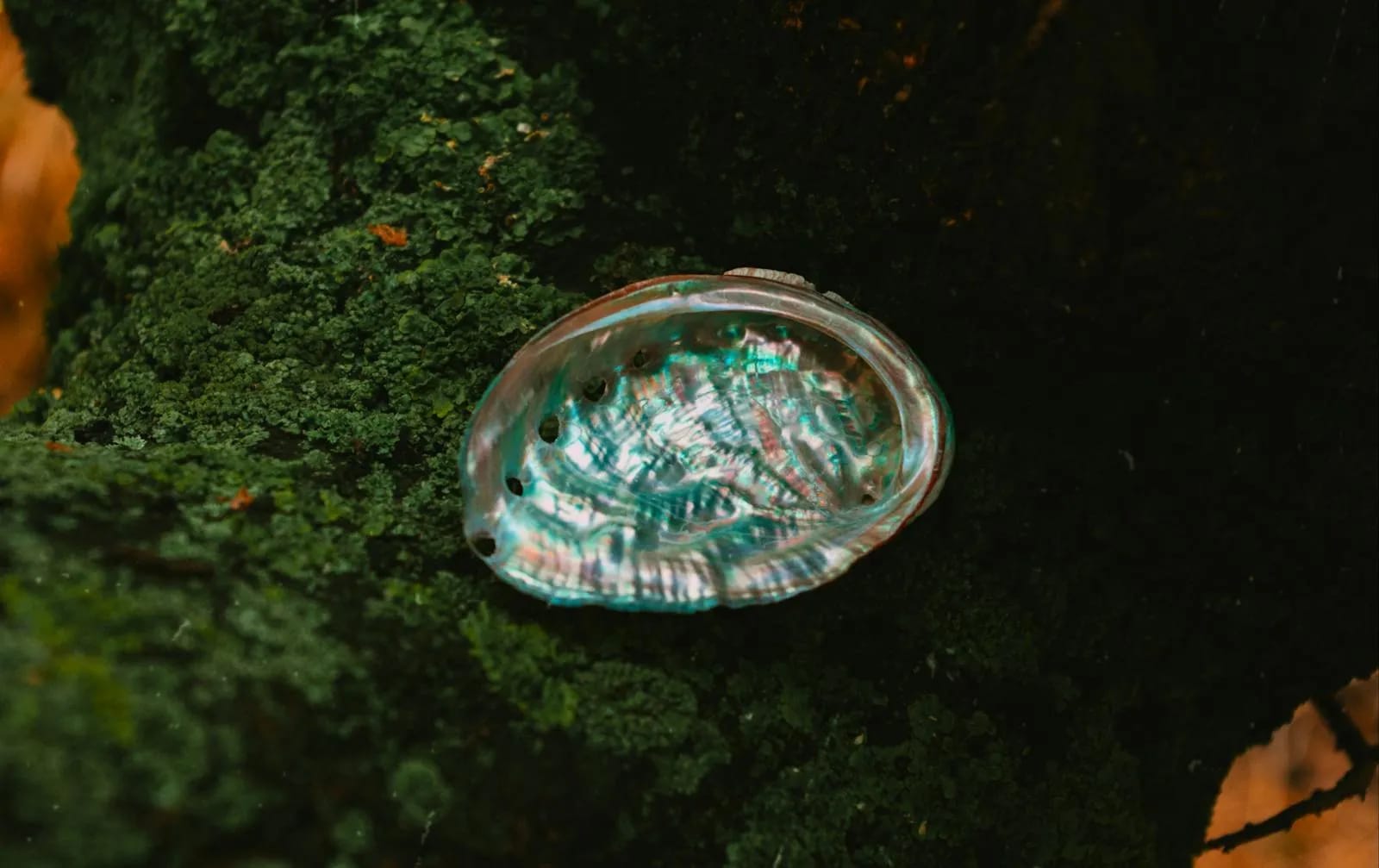
Najeon (나전) is the art of cutting mother-of-pearl into thin, glowing slivers and inlaying them into a lacquered surface. The shimmering shell pieces themselves are called jagae (자개), and a finished lacquer object decorated this way is najeonchilgi (나전칠기), literally mother-of-pearl lacquerware.
The rainbow sheen comes from nacre, the strong, iridescent inner layer of shells such as abalone, turban shell, and pearl oyster. The deep, glassy black it sits in is ottchil (옻칠), a natural lacquer made from the sap of the lacquer tree and brushed on in many thin coats. Light enters the clear lacquer, bounces off the shell, and seems to move as you walk past the piece.
A Thousand Years of Shimmer
Korea's mother-of-pearl craft reached world-class refinement during the Goryeo dynasty (918 to 1392), the same era that produced celadon and the Tripitaka Koreana. Goryeo najeon was prized far beyond the peninsula and was even sent as royal tribute to the Liao court.
In 1123 the Song dynasty envoy Xu Jing visited Goryeo and recorded the lacquerware as so finely worked it was "exceedingly meticulous and precious." That reputation never faded. In 1966 South Korea recognized the craft as National Intangible Cultural Heritage No. 10 (Najeonjang), protecting the master artisans who still cut and inlay every sliver by hand.
A Thousand Years of Najeon
From a 12th-century Goryeo box to Joseon chests, trays, and scroll cases. Tap any piece to view it full screen.
Source: The Metropolitan Museum of Art and Cleveland Museum of Art, public domain
How a Najeon Piece Is Made
1
Build and seal the form
A wooden body is shaped and coated with the first layers of lacquer to seal and harden it. A single object can pass through more than 30 separate stages from here to finish.
2
Cut the mother-of-pearl
Shell is sliced into paper-thin sheets and cut into pattern pieces. Curved motifs like flowers and cranes are shaped with the jureumjil technique, while fine lines and lattice are built from hair-thin filaments using kkeuneumjil.
3
Inlay the design
Each shell piece is glued onto the lacquered surface to compose the picture, a slow process that can demand thousands of precise placements for a single panel.
4
Lacquer over and dry
More coats of lacquer are brushed over the whole surface, burying the shell, and each coat is dried in a humid room before the next. This stage alone can stretch over weeks or months.
5
Sand back and polish
The surface is carefully sanded and polished until the buried shell reappears, flush with the glossy black lacquer. The result is the deep, moving rainbow that defines najeon.
Watch: the craft of najeon
At a Glance
Korean name
나전칠기 najeonchilgi
What it is
Mother-of-pearl inlaid in lacquer
Golden age
Goryeo dynasty (918 to 1392)
Heritage status
National Intangible Cultural Heritage No. 10 (1966)
Craft capital
Tongyeong, south coast
Shell sources
Abalone, turban shell, pearl oyster
Where to See It and Take Some Home
For museum-grade pieces, the National Museum of Korea in Seoul holds refined Goryeo and Joseon lacquerware, and the Seoul Museum of Craft Art lays out the full step-by-step making process.
The spiritual home of the craft is Tongyeong on the southern coast, long the center of Korean najeon. The Tongyeong Traditional Craft Hall sells work directly (open daily, roughly 9am to 6pm), and the town holds a mother-of-pearl craft festival each August.
In Seoul, the Insadong arts district is the easiest place to shop, from small trinket boxes around 20,000 KRW to heirloom chests running well over 1,000,000 KRW. For vintage finds, browse the stalls around Dongmyo Market.
As Seen On Screen
If the glow looks familiar, the SBS 2026 fantasy rom-com My Royal Nemesis (멋진 신세계) frames each of its title cards in a najeon border, a neat nod to a heroine who slips between a Joseon palace and modern Seoul. The same craft that once decorated a royal writing box now wraps a time-slip drama.
Najeon FAQ
Is mother-of-pearl lacquerware uniquely Korean?+
Lacquer-and-shell craft exists across East Asia, but Korean najeon developed its own style and reached international fame in the Goryeo dynasty. Korea protects the skill today as National Intangible Cultural Heritage No. 10.
What shells are used for the shimmer?+
The nacre comes mainly from abalone, turban shell, and pearl oyster. Korea historically used local abalone, and shell is now also sourced from waters around Australia, Taiwan, and the Philippines.
How much does a piece cost?+
Small boxes and trinkets start around 20,000 KRW. Larger trays, mirrors, and especially hand-inlaid chests rise quickly, with fine heirloom furniture reaching well over 1,000,000 KRW.
Where is the best place to buy authentic najeon?+
Insadong in Seoul is the most convenient, with a wide price range. For the real heartland of the craft, the Tongyeong Traditional Craft Hall on the south coast sells artisan work directly.
How can I tell handmade najeon from a printed imitation?+
Genuine inlay shifts color as you tilt it and catches the light from different angles, and you can often feel a faint relief where shell meets lacquer. A printed film looks flat and uniform from every angle.
Plan Your Visit
Seoul monthly averages to help you pack right
Jan-1°-8°18mm
Feb2°-6°25mm
Mar9°0°40mm
Apr17°6°65mm
May23°12°90mm
Jun27°18°130mm
Jul29°22°370mm
Aug30°22°290mm
Sep26°16°140mm
Oct19°8°45mm
Nov10°1°50mm
Dec2°-5°20mm