All Guides
Gyeongju Food Tour: What to Eat in Korea's Ancient Capital
Gyeongju has its own food identity beyond Seoul. Ssambap alleys, Gyeongju bread, tofu village, and temple food — a food map for the city where history meets flavor.
Gyeongju food guidewhat to eat in GyeongjuGyeongju-ppangHwangnam-ppang originalGyeongju ssambap alley
Gyeongju Eats Different
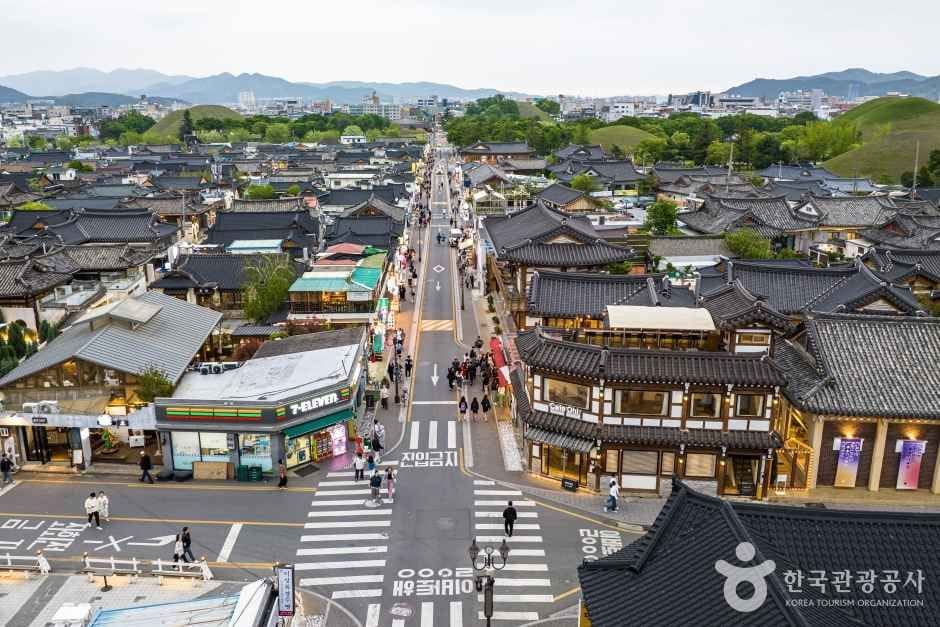
Gyeongju isn't just tombs and temples. The old Silla capital has a food scene rooted in tradition — ssambap (wrap rice) alleys that haven't changed in decades, a tofu village where fresh dubu is made every morning, and Gyeongju-ppang bakeries that have been running since the 1930s. The city is compact enough to hit all the food spots between historical sites. Plan your meals around the landmarks.
Typical Gyeongju Food Prices
| Ssambap set (1 person) | 10,000-14,000 KRW |
| Gyeongju-ppang (10 pieces box) | 10,000-15,000 KRW |
| Sundubu-jjigae (tofu village) | 8,000-12,000 KRW |
| Hanjeongsik (full course) | 25,000-45,000 KRW |
| Temple food set | 10,000-15,000 KRW |
| Dotorimuk (acorn jelly) | 5,000-8,000 KRW |
| Gyeongju cafe drinks | 5,000-7,000 KRW |
| Market street food | 2,000-5,000 KRW |
Prices as of Mar 2026. May vary by location.
Gyeongju Food Tips
Do
- Visit ssambap alley for lunch — most restaurants close by 3 PM or when they sell out
- Buy Gyeongju-ppang at the original Hwangnam-ppang shop — imitations are everywhere
- Drive (or taxi) to Gangdong Tofu Village if you love tofu — downtown versions aren't the same
- Try temple food near Bulguksa — it's a unique experience you won't find in Seoul easily
- Head to Bulguksa or Seokguram early in the morning on weekends — crowds build up fast by mid-morning and parking fills up quickly
Don't
- Don't skip the banchan at ssambap restaurants — the leaf variety is the whole point
- Don't eat only at the tourist strip — walk one block deeper for better prices and quality
- Don't visit tofu village on Mondays — several restaurants close for a weekly break
- Don't rush Gyeongju-ppang — eat one warm from the shop before boxing the rest
Suggested Food Route
Morning: Hwangnam-ppang warm from the bakery. Lunch: Ssambap alley (arrive by 11:30 AM). Afternoon: Bulguksa temple food or Bomun Lake cafe for dessert. Evening: Drive to Gangdong Tofu Village for sundubu dinner. This route follows the natural sightseeing flow — royal tombs and downtown in the morning, Bulguksa in the afternoon, tofu village on the way back.
Plan Your Visit
Seoul monthly averages to help you pack right
Jan-1°-8°18mm
Feb2°-6°25mm
Mar9°0°40mm
Apr17°6°65mm
May23°12°90mm
Jun27°18°130mm
Jul29°22°370mm
Aug30°22°290mm
Sep26°16°140mm
Oct19°8°45mm
Nov10°1°50mm
Dec2°-5°20mm
More Guides
25 Must-Eat Korean Foods: The Essential Checklist
The dishes every visitor to Korea should try at least once. Not trendy picks — the real staples that Koreans eat every week.
Seoul Street Food: Where & What to Eat
From sizzling tteokbokki to crispy hotteok, here's your map to Seoul's best street food spots. Grouped by neighborhood so you can eat your way through the city.