All Guides
25 Must-Eat Korean Foods: The Essential Checklist
The dishes every visitor to Korea should try at least once. Not trendy picks — the real staples that Koreans eat every week.
must eat Korean foodbest Korean dishes to tryKorean food guide Seoulessential Korean cuisineKorean BBQ guide
Beyond Korean BBQ
Korean food goes far beyond barbecue and kimchi. The real everyday diet is built on stews, rice dishes, noodles, and an overwhelming variety of banchan (side dishes). This guide covers the 25 dishes that define Korean cuisine — from universally loved staples to polarizing local favorites.
Watch: 25 Must-Eat Korean Foods
The 25 Must-Eat Checklist
1. Samgyeopsal
Thick pork belly grilled at the table. The quintessential Korean BBQ experience. Wrap in lettuce with garlic, ssamjang, and a slice of raw garlic.
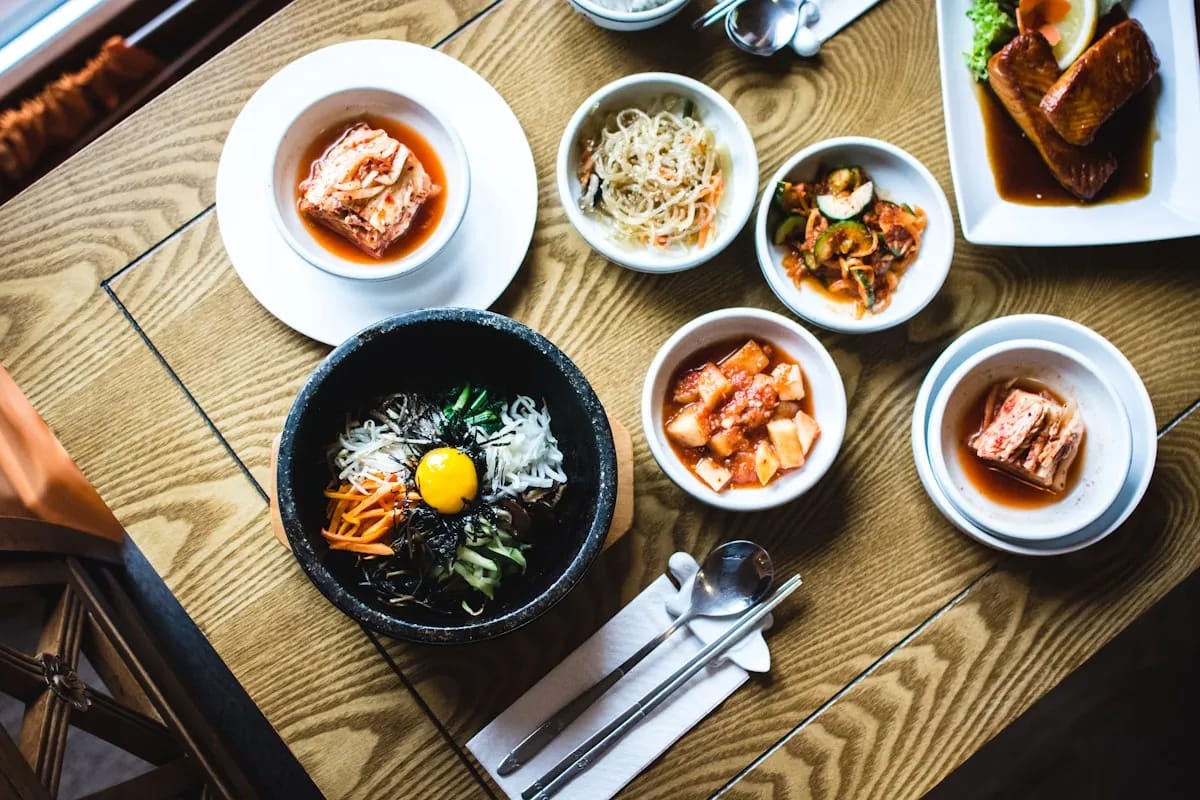
2. Bibimbap
Rice topped with seasoned vegetables, meat, egg, and gochujang. Mix everything together.
3. Kimchi-jjigae
Fermented kimchi stew with pork. The quintessential Korean comfort food.
4. Bulgogi
Sweet soy-marinated beef, grilled or simmered. Approachable for all palates.
5. Sundubu-jjigae
Spicy soft tofu stew. Crack a raw egg in and let it cook in the bubbling pot.
6. Seolleongtang
Milky ox bone soup. Season it yourself with salt and green onions at the table.
7. Kalguksu
Hand-cut knife noodles in anchovy or chicken broth. Simple and soul-warming.
8. Samgyetang
Ginseng chicken soup. Whole chicken stuffed with rice. Eaten hot, even in summer.
9. Jeon / Pajeon
Korean pancakes. Green onion, seafood, or kimchi versions. Perfect with rain and makgeolli.
10. Japchae
Sweet potato glass noodles with vegetables. Sweet, savory, chewy. Appears at every feast.
11. Tteokbokki
Spicy rice cakes in gochujang sauce. The king of Korean street food. Tip: if you order tteokbokki with fried food (twigim) or sundae, dip them in the spicy sauce.
12. Gimbap
Seaweed rice rolls with fillings. Korea's answer to sushi, but totally its own thing. K-pop group Stray Kids made triangle kimbap famous overseas — try the convenience store version too.
13. Naengmyeon
Ice-cold buckwheat noodles in chilled broth (mul) or spicy sauce (bibim). Summer essential.
14. Galbi-jjim
Braised short ribs in sweet soy glaze. Fall-off-the-bone tender.
15. Ganjang-gejang
Soy-marinated raw crab. Bold choice, incredible reward. The 'rice thief' of Korean cuisine. Heads up: it's raw crab marinated in soy sauce. The texture is jelly-like and very unfamiliar for most foreigners.
16. Dakbal (닭발)
Spicy braised chicken feet. Chewy, fiery, and very much an acquired taste — but locals love it with soju. Polarizing: you'll either love the texture or hate it.
17. Chimaek (치맥)
Fried chicken + beer — Korea's national late-night combo. Korean fried chicken is famously crispy with a thin, crunchy coating. Try yangnyeom (sweet-spicy) or garlic soy.
18. Gopchang (곱창)
Grilled beef or pork intestines. Sounds intimidating, but the flavor is rich and the texture is chewy-crispy when grilled right. A beloved drinking snack. Not for the squeamish.
19. Eomuk (어묵)
Fish cake skewers served in warm broth — the ultimate Korean street food on cold days. Grab one from any market stall and sip the soup for free.
20. Sannakji (산낙지)
Live octopus, sliced and served still moving. It's actually safe — just chew thoroughly. A bucket-list food for adventurous eaters. The tentacles stick to your mouth.
21. Jogaegui (조개구이)
Grilled shellfish — clams, scallops, mussels cooked on a tabletop grill. Popular at seaside restaurants in Busan and the west coast. Best shared with a group.
22. Sundae (순대)
Korean blood sausage stuffed with glass noodles. Don't let the name fool you — it's savory, not sweet. Often served sliced with salt or in a rich soup (sundaeguk).
23. Doenjang-jjigae (된장찌개)
Fermented soybean paste stew with tofu, zucchini, and peppers. Every Korean household makes it differently. Earthy, savory, and deeply comforting — the stew Koreans miss most when abroad.
24. Bossam (보쌈)
Tender boiled pork belly sliced thin, wrapped in napa cabbage or perilla leaves with salted shrimp sauce (saeujeot). A popular sharing dish at Korean drinking sessions.
25. Budae-jjigae (부대찌개)
Army stew — a spicy, cheesy hotpot of kimchi, spam, sausage, ramen noodles, and baked beans. Born from post-war surplus, now a beloved comfort food. Best shared with friends around a bubbling pot.
Korean Restaurant Etiquette
Do
- Press the table bell (jeonryeong) to call staff — don't wave or shout
- Use scissors to cut meat and noodles at the table — it's normal and expected
- Eat banchan freely — most restaurants refill side dishes for free on request, though some tourist-area spots may limit refills
- Slurp noodles and soup — it's not rude in Korea, it means you're enjoying the food
Don't
- Don't tip — it's not customary and can cause confusion
- Don't stick chopsticks upright in rice — it resembles funeral rituals
- Don't start eating before the eldest person at the table
- Don't blow your nose at the table — step away to the restroom
How to Handle Spice
Most Korean stews and street food use gochugaru (red pepper flakes) or gochujang (red pepper paste). If you can't handle spice, order 'deol maepge' (less spicy) or look for non-spicy options like seolleongtang, samgyetang, bulgogi, or japchae. Many restaurants offer adjustable spice levels for jjigae and tteokbokki.
Plan Your Visit
Seoul monthly averages to help you pack right
Jan-1°-8°18mm
Feb2°-6°25mm
Mar9°0°40mm
Apr17°6°65mm
May23°12°90mm
Jun27°18°130mm
Jul29°22°370mm
Aug30°22°290mm
Sep26°16°140mm
Oct19°8°45mm
Nov10°1°50mm
Dec2°-5°20mm
More Guides
Korean BBQ: The Complete Guide to Grilling Like a Local
Everything you need to know about Korean BBQ — from samgyeopsal and hanwoo beef to table-side grilling, scissors etiquette, and the perfect post-BBQ meal.
Korean Dining Essentials: Chopsticks, Scissors, and Table Manners
A practical guide to eating in Korean restaurants — chopstick tips, the scissors-at-the-table culture, how to ask for a fork, and essential dining etiquette for visitors.
Seoul Street Food: Where & What to Eat
From sizzling tteokbokki to crispy hotteok, here's your map to Seoul's best street food spots. Grouped by neighborhood so you can eat your way through the city.
Korean Convenience Store Food: Best Combos & Hidden Gems
CU, GS25, 7-Eleven, and Emart24 are not just stores — they're dining destinations. Here's what to eat, how to combine, and what Korean locals actually buy.