All Guides
Korean Buddhist Temples: Visitor Guide, Etiquette & Templestay
Everything you need to know before visiting Korean Buddhist temples — top temples to visit, proper etiquette, the 卍 symbol explained, and how to book a templestay experience.
korean buddhist templekorean temple visittemplestay koreakorean temple etiquettebest temples in korea
Why Visit a Korean Temple?
Korean Buddhist temples are among the most beautiful and culturally significant sites in the country. Tucked into mountainsides, surrounded by ancient forests, and decorated with intricate hand-painted patterns, they offer a window into 1,600+ years of Korean spiritual history. Seven of these mountain monasteries hold UNESCO World Heritage status. Whether you're into architecture, hiking, meditation, or just looking for a peaceful escape from Seoul, Korean temples deliver.
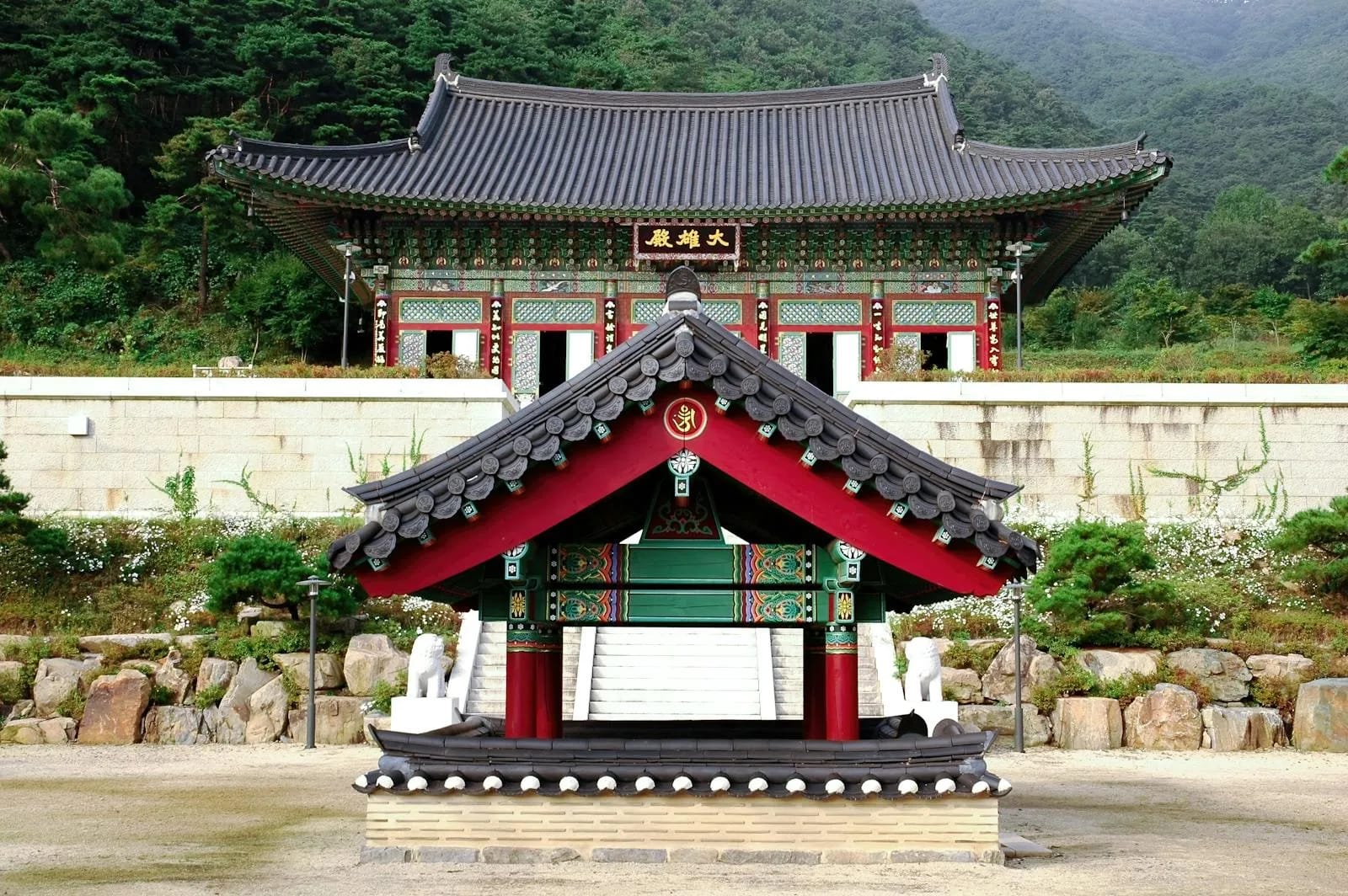
Korean Temple Architecture
Source: Artan
Korean Buddhism: A Quick Overview
Buddhism arrived on the Korean Peninsula in 372 CE when a monk named Sundo (순도) brought it from the Chinese state of Former Qin to the Goguryeo kingdom. For over 1,000 years, Buddhism was the dominant religion and philosophy of the Korean kingdoms.
Today, the Jogye Order (대한불교 조계종) is the largest Buddhist order in Korea, overseeing approximately 3,500 temples and over 10,000 monks organized into 24 districts nationwide. The order traces its Seon (Korean Zen) tradition back to around 820 CE, when National Master Doui introduced the teachings from China. The modern Jogye Order was officially established on April 11, 1962.
Korea is home to seven UNESCO World Heritage mountain monasteries, collectively known as Sansa (산사). These are: Tongdosa, Buseoksa, Bongjeongsa, Beopjusa, Magoksa, Seonamsa, and Daeheungsa — all founded between the 7th and 9th centuries.
Must-Visit Korean Temples
Source: Muneeb Babar
Top Temples at a Glance
Jogyesa (조계사)
Seoul Jongno — Jogye Order headquarters. Most accessible temple, right in the city center. Free admission. Templestay available.
Bongeunsa (봉은사)
Seoul Gangnam — Founded 794 CE, right behind COEX Mall. 23m tall Maitreya Buddha statue. ~10,000 daily visitors. Free. Templestay available.
Bulguksa (불국사)
Gyeongju — UNESCO World Heritage Site since 1995. Founded 528 CE. Masterpiece of Silla-era Buddhist architecture. ₩6,000 admission.
Haeinsa (해인사)
Hapcheon — Houses the Tripitaka Koreana (81,258 wooden printing blocks, UNESCO). Founded 802 CE. Templestay available.
Tongdosa (통도사)
Yangsan — Korea's largest temple. One of the Three Jewel Temples. UNESCO Sansa. No main Buddha statue — houses actual relics.
Beopjusa (법주사)
Boeun — UNESCO Sansa site. Home to Korea's tallest bronze standing Buddha (33m). Founded 553 CE. Templestay: ₩80,000/night.
Beomeosa (범어사)
Busan — Stunning mountain temple founded 678 CE. Less touristy than Bulguksa. Easy access via Busan Metro Line 1.
Haedong Yonggungsa (해동용궁사)
Busan — Seaside temple on coastal cliffs. Founded 1376. 108-step staircase. One of Korea's most photographed temples.
Naksansa (낙산사)
Yangyang — East coast temple with 16m Gwaneum statue overlooking the East Sea. Founded 671 CE. Famous for ocean sunrises.
Woljeongsa (월정사)
Pyeongchang — Odaesan mountain temple. Stunning fir tree forest trail to entrance. Founded 643 CE. Foreigner-friendly templestay.
Samgwangsa (삼광사)
Busan — Korea's most spectacular Buddha's Birthday lantern display. Tens of thousands of lanterns create a sea of light every May.
Golgulsa (골굴사)
Gyeongju — Famous for Sunmudo (선무도) martial arts training. Cave temple carved into rock. Popular templestay for active travelers.
Sudeoksa (수덕사)
Yesan — Houses one of Korea's oldest wooden buildings, Daeung-jeon (confirmed 1308 CE by ridge beam record). Temple history dates to 599 CE.
Temple Etiquette
Do
- Remove shoes before entering any shrine hall — look for shoes lined up at the entrance
- Bow once when entering and leaving a shrine hall as a sign of respect
- Speak quietly and move calmly within temple grounds
- Dress modestly — avoid shorts, sleeveless tops, and revealing clothing
- Photography is usually allowed outdoors, but always ask before photographing inside shrine halls
- If offered temple food, accept with both hands and eat everything — temple meals are prepared with care and waste is discouraged
Don't
- Don't point your feet toward Buddha statues or altars when sitting
- Don't touch Buddha statues or religious objects without permission
- Don't bring meat, alcohol, or strong-smelling foods into temple grounds
- Don't use your phone during meditation or chanting sessions
- Don't enter through the center door of a shrine hall — the center entrance is reserved for monks. Use the left or right doors
- Don't stand on the raised platform (상단) in front of Buddha statues — that area is reserved for monks
Templestay: Spending the Night at a Korean Temple
Templestay (템플스테이) is an official program run by the Jogye Order that allows visitors — including foreigners — to experience daily life at a Buddhist temple. The program launched in 2002 during the FIFA World Cup to introduce Korean Buddhist culture to international visitors.
As of 2025, 158 temples across Korea offer templestay programs, with 31 providing foreigner-friendly experiences with multilingual staff. Fifteen temples specialize in showcasing traditional Korean temple cuisine (사찰음식).
How to Book a Templestay
1
Visit the Official Website
Go to eng.templestay.com — this is the official booking platform run by the Jogye Order. You can also visit the Templestay Information Center across from Jogyesa Temple in Seoul for in-person help.
2
Choose a Program Type
Programs typically include: overnight stays with morning/evening chanting, meditation sessions, tea ceremonies, and temple cuisine meals. Some temples offer specialized programs like Sunmudo martial arts (Golgulsa) or lotus lantern making.
3
Book and Pay
Costs range from ₩40,000 to ₩80,000 per person per night — less than most hotel rooms — and include all meals, accommodation, and guided experiences. Some temples offer private rooms with showers for around ₩100,000.
4
Pack Accordingly
Temples provide basic toiletries and clothing. Bring warm layers (temples are in mountains), a small flashlight, and an open mind. Leave valuables at your hotel.
Source: ki-mock koo
Best Time to Visit
Korean temples are beautiful year-round, but two periods stand out: Buddha's Birthday (석가탄신일, usually in May) when temples are decorated with thousands of colorful lotus lanterns, and autumn (October–November) when mountain temples are surrounded by spectacular fall foliage. Spring cherry blossom season (late March–April) is also stunning at temples like Beomeosa in Busan.
About the 卍 Symbol You'll See Everywhere
You'll notice a swastika-like symbol on temple roofs, Buddha statues, and even on Korean maps. Don't worry — it's the manji (만자), a Buddhist symbol of harmony and good fortune with over 5,000 years of history. It has no connection to Nazism. We have a full guide explaining its history, meaning, and how it differs from the Nazi Hakenkreuz: see our Swastika Symbol at Korean Temples guide.
Plan Your Visit
Seoul monthly averages to help you pack right
Jan-1°-8°18mm
Feb2°-6°25mm
Mar9°0°40mm
Apr17°6°65mm
May23°12°90mm
Jun27°18°130mm
Jul29°22°370mm
Aug30°22°290mm
Sep26°16°140mm
Oct19°8°45mm
Nov10°1°50mm
Dec2°-5°20mm
Related Routes

More Guides
Why Are There Swastikas at Korean Temples? The Buddhist Symbol Explained
The swastika-like symbol (卍) at Korean temples is not what you think. Learn the 5,000-year history of the Buddhist manji, how it differs from the Nazi symbol, and where you'll see it across Korea.
Korean Greetings & Etiquette: What You Actually Need to Know
Skip the outdated travel blog advice. Here's how Koreans actually greet each other, why you don't need to press your palms together, and the etiquette that actually matters.